Performed by Dr. Kavya Jonnalagadda at Sree Charith Hospital
The Dexamethasone Suppression Test in Tirupati is a diagnostic procedure that measures how your body responds to dexamethasone to identify cortisol-related disorders like Cushing's syndrome. This safe, non-invasive test involves taking a medication at night and having blood drawn the next morning to assess adrenal gland function. At Sree Charith Hospital, Dr. Kavya Jonnalagadda provides expert endocrine testing with accurate interpretation and personalized care.
We believe in honest, upfront disclosure so you can make an informed decision.
A step-by-step look at what happens during this procedure.
Your endocrinologist reviews your symptoms, medical history, and determines if the dexamethasone suppression test is appropriate for diagnosing suspected cortisol disorders.
A baseline blood sample may be collected to measure your initial cortisol levels before administering dexamethasone medication.
You take a prescribed dose of dexamethasone (typically 1mg for low-dose test or 8mg for high-dose test) orally at 11 PM the night before testing.
The dexamethasone mimics cortisol in your body. In healthy individuals, this signals the pituitary gland to stop producing ACTH, which should suppress natural cortisol production.
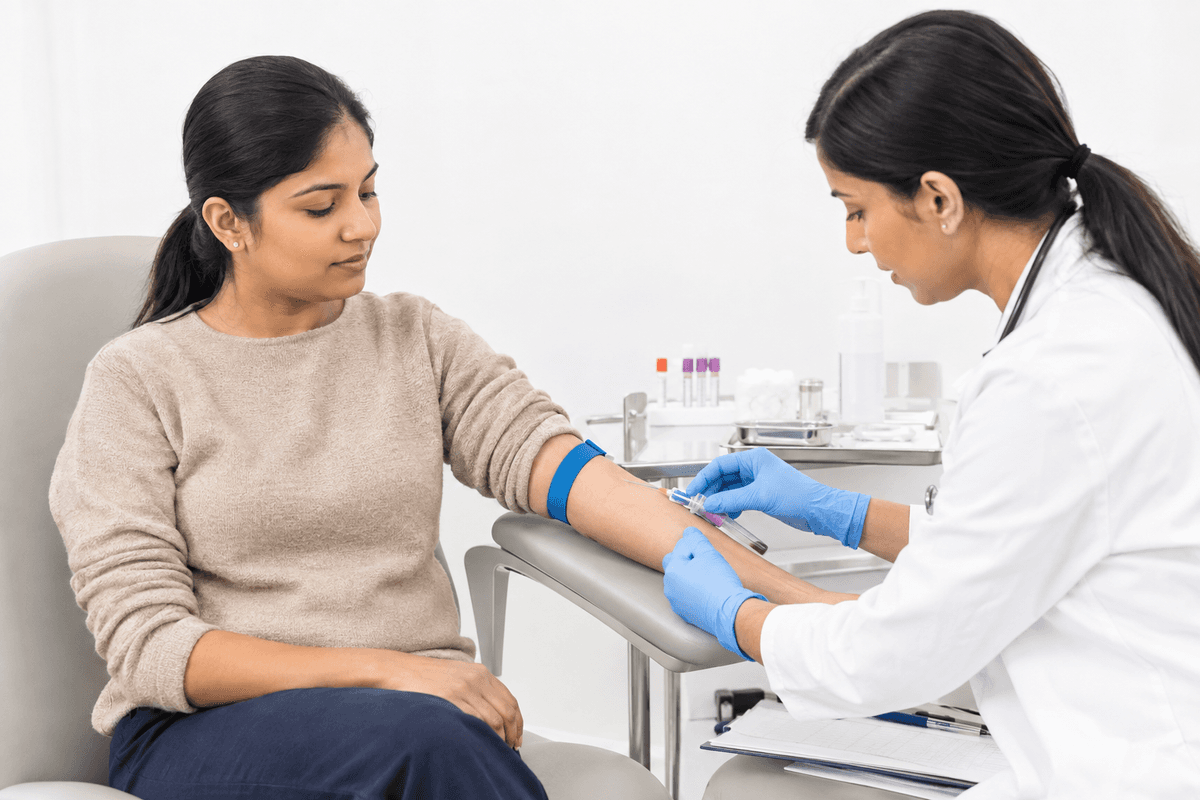
Blood is drawn the next morning between 8-9 AM to measure cortisol levels. Abnormally high levels suggest the body is not responding properly to the suppression, indicating possible Cushing's syndrome or other cortisol disorders.
A structured, patient-first approach from first consultation to full recovery.
Dr. Kavya Jonnalagadda conducts a thorough evaluation of your symptoms and medical history to determine the appropriate dexamethasone suppression test protocol tailored to your specific condition.
Our laboratory follows standardized procedures for medication timing and blood collection to ensure accurate, reliable results with minimal patient discomfort.
Results are carefully analyzed by our endocrinology team, comparing cortisol levels against established diagnostic thresholds to identify any abnormalities in adrenal or pituitary function.
Dr. Jonnalagadda provides a thorough explanation of your results, discusses diagnostic implications, and develops a personalized treatment plan if cortisol disorders are identified.
What to expect at each stage of your recovery journey.
You can resume normal activities immediately after the blood draw. Apply gentle pressure to the puncture site if minor bruising occurs. Eat a light meal to restore energy after fasting.
Any mild side effects from dexamethasone such as sleep changes or increased appetite typically resolve within one day. Stay hydrated and maintain your regular diet.
Once results are available, your endocrinologist will discuss findings and recommend further testing or treatment if needed. No activity restrictions are necessary during this waiting period.
The test provides clear diagnostic information to confirm or rule out Cushing's syndrome and other cortisol-related disorders with high accuracy.
Results help determine the underlying cause of cortisol excess, whether pituitary, adrenal, or ectopic, guiding appropriate treatment strategies.
For patients already diagnosed with cortisol disorders, the test monitors treatment response and helps adjust medication dosages for optimal control.
Detecting cortisol abnormalities early prevents long-term complications such as diabetes, osteoporosis, cardiovascular disease, and severe metabolic disturbances.
Let's clear up some of the most common myths about dexamethasone suppression test.
Get a personalised assessment from an experienced specialist. Understand your options, ask your questions, and decide with confidence.