Treated by Dr. Kavya Jonnalagadda at Sree Charith Hospital
Primary and secondary hypertension in Tirupati affects millions, causing elevated blood pressure either without identifiable cause (primary) or due to underlying conditions like kidney disease or hormonal disorders (secondary). High blood pressure significantly increases risk of heart attack, stroke, and organ damage if left uncontrolled. Dr. Kavya Jonnalagadda at Sree Charith Hospital provides comprehensive endocrine evaluation and personalized hypertension management.
Accounts for 90-95% of cases with no identifiable medical cause, developing gradually over years due to genetic factors, lifestyle, aging, and environmental influences.
Caused by underlying conditions such as kidney disease, adrenal disorders, thyroid problems, or hormonal imbalances. Often presents suddenly with higher BP readings and requires treatment of the root cause.
A subset of secondary hypertension caused by hormonal disorders including Cushing's syndrome, primary aldosteronism, pheochromocytoma, or thyroid dysfunction requiring specialized endocrine investigation.
Multiple factors can contribute to the development and progression of this condition.
Primary and secondary hypertension develops gradually. Recognising symptoms early gives you more treatment options.
From conservative to surgical — we always start with the least invasive option first.
A structured, patient-first approach from first visit to full recovery.
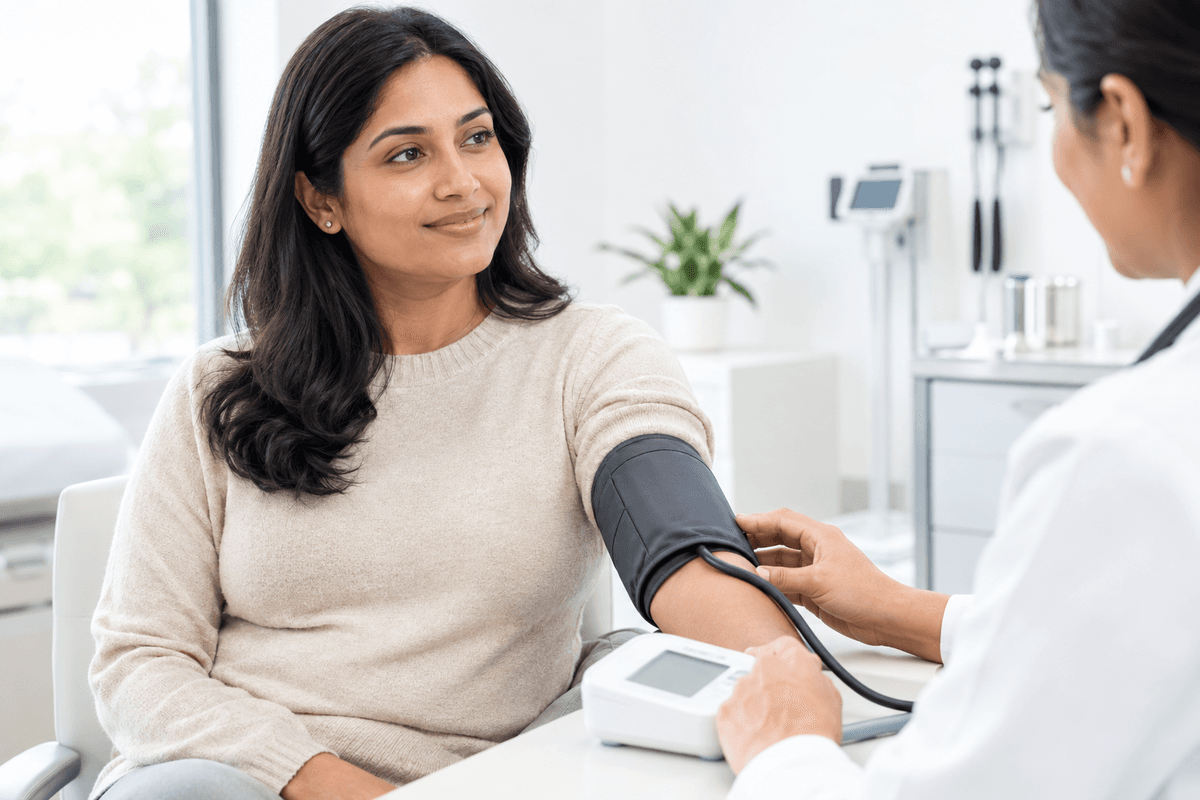
Dr. Kavya Jonnalagadda conducts thorough assessment including detailed medical history, physical examination, blood pressure monitoring, and initial screening labs to differentiate primary from secondary hypertension and identify cardiovascular risk factors.
Advanced hormonal investigations at Sree Charith Hospital including plasma aldosterone-renin ratio, 24-hour urinary metanephrines, cortisol testing, thyroid function tests, and renal function assessment to identify endocrine causes of hypertension.
Development of individualized management strategy combining lifestyle modifications, appropriate antihypertensive medications, and treatment of identified secondary causes with clear BP targets and monitoring protocols tailored to each patient's condition.
Regular follow-up appointments with home BP monitoring guidance, medication adjustments based on response, screening for complications, and coordination with specialists when surgical or advanced interventions are required for optimal long-term control.
What to expect at each phase of recovery.
Lifestyle changes initiated immediately with medication titration over weeks to achieve target BP below 130/80 mmHg. Frequent monitoring to assess response, manage side effects, and adjust therapy as needed.
BP stabilizes on optimized medication regimen with established lifestyle habits. Monitoring interval extends to monthly visits. Assessment for medication adherence and early detection of organ damage through routine screening.
Long-term management with quarterly to biannual follow-ups, annual comprehensive evaluations, home BP monitoring, medication compliance review, and continuous lifestyle reinforcement to prevent complications and maintain optimal control.
Achievement and maintenance of target BP below 130/80 mmHg in most patients, reducing cardiovascular risk by 20-30% and significantly lowering stroke and heart attack incidence.
Effective BP management prevents or slows progression of hypertensive complications including left ventricular hypertrophy, chronic kidney disease, retinopathy, and vascular damage.
Successful treatment or cure of underlying endocrine disorders results in normalized or significantly improved BP, often reducing or eliminating need for antihypertensive medications.
Reduction in symptoms like headaches and fatigue, decreased anxiety about cardiovascular events, enhanced physical function, and prolonged healthy life expectancy with proper management.
Untreated hypertension leads to severe cardiovascular complications including stroke, myocardial infarction, heart failure, and aortic aneurysm. Progressive kidney damage results in chronic kidney disease and eventual renal failure requiring dialysis. Hypertensive retinopathy causes vision loss, while cognitive decline and dementia risk increases significantly with prolonged uncontrolled blood pressure.
Seek immediate medical attention if blood pressure exceeds 180/120 mmHg, especially with symptoms like severe headache, chest pain, shortness of breath, vision changes, or neurological symptoms indicating hypertensive crisis. Schedule an appointment with Dr. Kavya Jonnalagadda at Sree Charith Hospital if you have persistently elevated BP readings above 130/80 mmHg, family history of hypertension, symptoms suggesting secondary causes like muscle weakness or unexplained weight changes, or require evaluation for resistant hypertension despite multiple medications.
Early treatment means more options and better outcomes. Book a consultation to understand your condition and explore the right path forward.