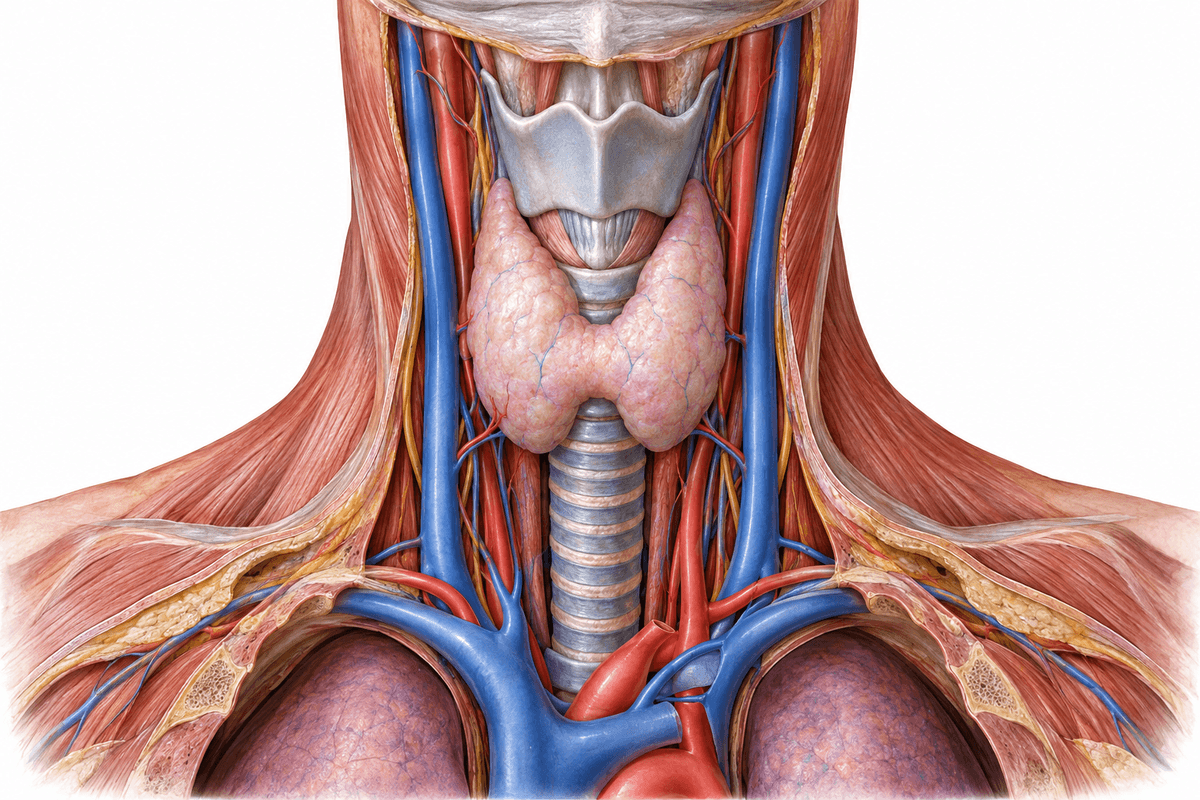
Treated by Dr. Kavya Jonnalagadda at Sree Charith Hospital
Hypothyroidism in Tirupati is a common endocrine disorder where the thyroid gland fails to produce sufficient thyroid hormones, leading to a slowed metabolism and various systemic effects. This condition affects multiple body systems including energy levels, weight regulation, heart function, and mental clarity. The underactive thyroid can develop gradually, making early symptoms easy to overlook. Dr. Kavya Jonnalagadda at Sree Charith Hospital provides expert diagnosis and personalized treatment plans for patients with hypothyroidism.
The most common form where the thyroid gland itself fails to produce adequate hormones due to damage, autoimmune disease, or iodine deficiency. Hashimoto's thyroiditis is the leading cause of primary hypothyroidism in iodine-sufficient regions.
Occurs when the pituitary gland fails to produce sufficient thyroid-stimulating hormone (TSH), resulting in decreased thyroid hormone production. This type is less common and often associated with pituitary tumors or damage.
A mild form characterized by elevated TSH levels with normal thyroid hormone levels. Patients may have minimal or no symptoms, but the condition can progress to overt hypothyroidism if left unmonitored.
Multiple factors can contribute to the development and progression of this condition.
Hypothyroidism develops gradually. Recognising symptoms early gives you more treatment options.
From conservative to surgical — we always start with the least invasive option first.
A structured, patient-first approach from first visit to full recovery.
Dr. Kavya Jonnalagadda conducts thorough clinical evaluation including detailed medical history, physical examination for thyroid enlargement, and comprehensive thyroid function tests (TSH, Free T4, Free T3, and thyroid antibodies) to accurately diagnose hypothyroidism and identify its underlying cause.
At Sree Charith Hospital, we develop individualized treatment protocols based on your specific thyroid hormone levels, symptoms, age, and comorbidities. Initial levothyroxine dosing is carefully calculated, with clear instructions on timing, food interactions, and medication storage provided to ensure optimal absorption.
Our endocrinology team schedules systematic follow-up appointments with repeat thyroid function tests every 6-8 weeks initially to fine-tune medication dosage. We monitor for symptom resolution, potential side effects, and make evidence-based adjustments to achieve and maintain euthyroid status with TSH in the target range.
Sree Charith Hospital provides ongoing support with annual thyroid monitoring, patient education on medication compliance, recognition of hypo/hyperthyroid symptoms, and lifestyle counseling. We coordinate care with other specialists when needed and ensure patients understand the importance of lifelong therapy and regular monitoring.
What to expect at each phase of recovery.
Patients typically begin noticing improved energy levels and reduced fatigue within the first few weeks of starting thyroid hormone replacement. Some symptoms like constipation and cold intolerance may start to improve, though full normalization takes longer as the body adjusts to restored hormone levels.
Most hypothyroid symptoms including weight changes, dry skin, hair loss, and muscle aches show significant improvement once TSH levels normalize. Mental clarity and mood typically improve substantially during this phase. Medication dosage may be adjusted based on repeat thyroid function tests to optimize results.
Once the correct dosage is established, patients enter long-term maintenance with stable thyroid hormone levels and symptom control. Annual monitoring ensures continued effectiveness, with dosage adjustments made only when necessary due to weight changes, pregnancy, or other medical conditions affecting thyroid function.
With proper treatment, over 90% of hypothyroid patients achieve complete resolution of symptoms and return to normal energy levels, metabolism, and quality of life. Continued medication adherence maintains this improvement indefinitely.
Thyroid hormone replacement restores normal metabolic rate, helping patients return to healthy weight, regular body temperature regulation, and normal cholesterol levels. Cardiovascular health improves with normalized heart rate and reduced cardiovascular risk.
Patients experience significant improvement in depression, anxiety, cognitive function, and memory once thyroid levels normalize. Mental clarity and concentration return to baseline, enhancing work performance and daily functioning.
Appropriate treatment prevents serious complications including myxedema coma, severe cardiovascular disease, infertility, and birth defects in pregnancy. Regular monitoring and medication adherence ensure long-term health and prevent disease progression.
Untreated hypothyroidism progressively worsens, leading to severe complications including heart disease with elevated cholesterol and pericardial effusion, profound mental impairment, myxedema coma (a life-threatening emergency), infertility, and birth defects in pregnant women. Chronic untreated hypothyroidism significantly increases mortality risk and severely diminishes quality of life. Early diagnosis and consistent treatment prevent these serious outcomes entirely.
Seek medical evaluation if you experience persistent unexplained fatigue, unexpected weight gain, increased cold sensitivity, dry skin, hair loss, or mental sluggishness, especially if multiple symptoms occur together. Immediate medical attention is necessary for severe symptoms like extreme weakness, confusion, slow heart rate, or swelling of the face and extremities. Women planning pregnancy or those with a family history of thyroid disease should undergo screening, as should individuals with other autoimmune conditions.
Early treatment means more options and better outcomes. Book a consultation to understand your condition and explore the right path forward.