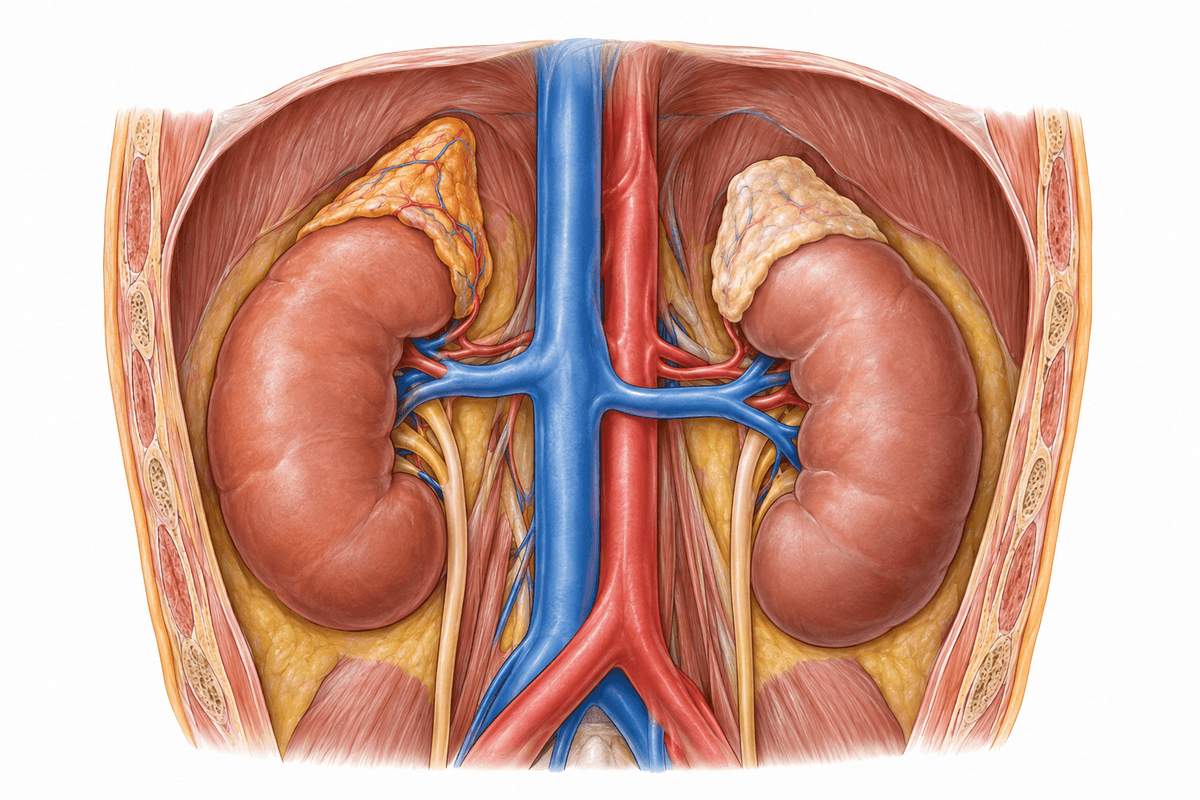
Treated by Dr. Kavya Jonnalagadda at Sree Charith Hospital
Adrenal insufficiency is a serious endocrine disorder affecting patients in Tirupati where the adrenal glands fail to produce adequate amounts of essential hormones, particularly cortisol and sometimes aldosterone. This condition can be life-threatening if left untreated, causing severe fatigue, low blood pressure, electrolyte imbalances, and adrenal crisis. Early diagnosis and lifelong hormone replacement therapy are crucial for managing this condition. At Sree Charith Hospital, Dr. Kavya Jonnalagadda provides expert endocrinology care with comprehensive diagnostic evaluation and personalized treatment plans for patients with adrenal insufficiency.
Occurs when the adrenal glands themselves are damaged and cannot produce adequate cortisol and aldosterone. Most commonly caused by autoimmune destruction of the adrenal cortex, accounting for approximately 70-90% of cases in developed countries.
Results from inadequate ACTH secretion by the pituitary gland, leading to decreased cortisol production. The adrenal glands are structurally normal but lack the stimulation needed to produce cortisol. Aldosterone production remains intact as it is regulated by the renin-angiotensin system.
Caused by hypothalamic dysfunction with inadequate corticotropin-releasing hormone (CRH) production, leading to reduced ACTH and subsequently cortisol. Most commonly occurs after prolonged glucocorticoid therapy suppresses the hypothalamic-pituitary-adrenal axis.
Multiple factors can contribute to the development and progression of this condition.
Adrenal insufficiency develops gradually. Recognising symptoms early gives you more treatment options.
From conservative to surgical — we always start with the least invasive option first.
A structured, patient-first approach from first visit to full recovery.
At Sree Charith Hospital, Dr. Kavya Jonnalagadda begins with detailed history-taking, physical examination, and baseline blood tests including morning cortisol, ACTH levels, and electrolytes. We perform ACTH stimulation testing to confirm the diagnosis and distinguish between primary and secondary causes, along with imaging studies when indicated.
Our endocrinology team develops individualized hormone replacement protocols tailored to each patient's specific type of adrenal insufficiency, body weight, lifestyle, and comorbidities. We provide comprehensive education on medication timing, stress dosing, and recognition of adrenal crisis warning signs.
Sree Charith Hospital provides ongoing follow-up care with periodic assessment of treatment efficacy through clinical evaluation, blood pressure monitoring, and laboratory testing of electrolytes and hormone levels. Dr. Jonnalagadda adjusts medication dosages based on symptoms, activity levels, and biochemical parameters to optimize outcomes.
We equip patients with emergency protocols, medical alert identification, and injectable hydrocortisone kits. Our team provides detailed counseling to patients and families about recognizing crisis situations, implementing stress dosing, and seeking immediate medical attention when needed to prevent life-threatening complications.
What to expect at each phase of recovery.
The first 2-4 weeks focus on starting hormone replacement therapy and stabilizing symptoms. Patients experience gradual improvement in fatigue, blood pressure, and electrolyte balance as cortisol levels normalize. Close monitoring ensures appropriate dosing and identifies any need for adjustments.
Over 3-6 months, treatment is fine-tuned based on symptom resolution, laboratory values, and quality of life. Patients learn to recognize their body's signals and adjust doses appropriately during stress. Energy levels, weight, and overall well-being continue to improve as the optimal replacement regimen is established.
Lifelong hormone replacement continues with regular follow-up visits every 3-6 months. Patients maintain stable health with proper medication adherence and stress dosing protocols. Periodic reassessment ensures continued treatment efficacy and early detection of any complications or changing needs.
With appropriate hormone replacement therapy, most patients experience significant improvement in fatigue, weakness, and overall energy levels within weeks to months. Quality of life returns to near-normal levels with proper treatment adherence.
Proper education, emergency preparedness, and stress dosing protocols effectively prevent life-threatening adrenal crises. Patients equipped with emergency kits and knowledge can safely manage illnesses and stressful situations.
With consistent hormone replacement and regular medical follow-up, patients with adrenal insufficiency can achieve normal or near-normal life expectancy. The key is lifelong medication adherence and proper crisis management.
Adequate glucocorticoid and mineralocorticoid replacement normalizes blood pressure, electrolyte balance, and glucose metabolism. This reduces cardiovascular risks and maintains metabolic stability when treatment is properly optimized.
Untreated adrenal insufficiency is life-threatening and inevitably leads to adrenal crisis, characterized by severe hypotension, shock, electrolyte abnormalities, and cardiovascular collapse. Without hormone replacement, patients experience progressive weakness, dehydration, confusion, and can die from circulatory failure. Even with diagnosis, failure to implement stress dosing during illness or trauma can precipitate acute crisis requiring emergency hospitalization and intensive care.
Seek immediate medical attention if you experience severe weakness, persistent vomiting or diarrhea, confusion, severe abdominal or back pain, or signs of shock such as rapid heart rate and very low blood pressure, as these may indicate adrenal crisis. Consult an endocrinologist like Dr. Kavya Jonnalagadda at Sree Charith Hospital if you have chronic fatigue, unexplained weight loss, low blood pressure, salt cravings, or skin darkening. If you are taking long-term steroid medications, discuss proper tapering protocols and screening for adrenal suppression.
Early treatment means more options and better outcomes. Book a consultation to understand your condition and explore the right path forward.