Treated by Dr. Kavya Jonnalagadda at Sree Charith Hospital
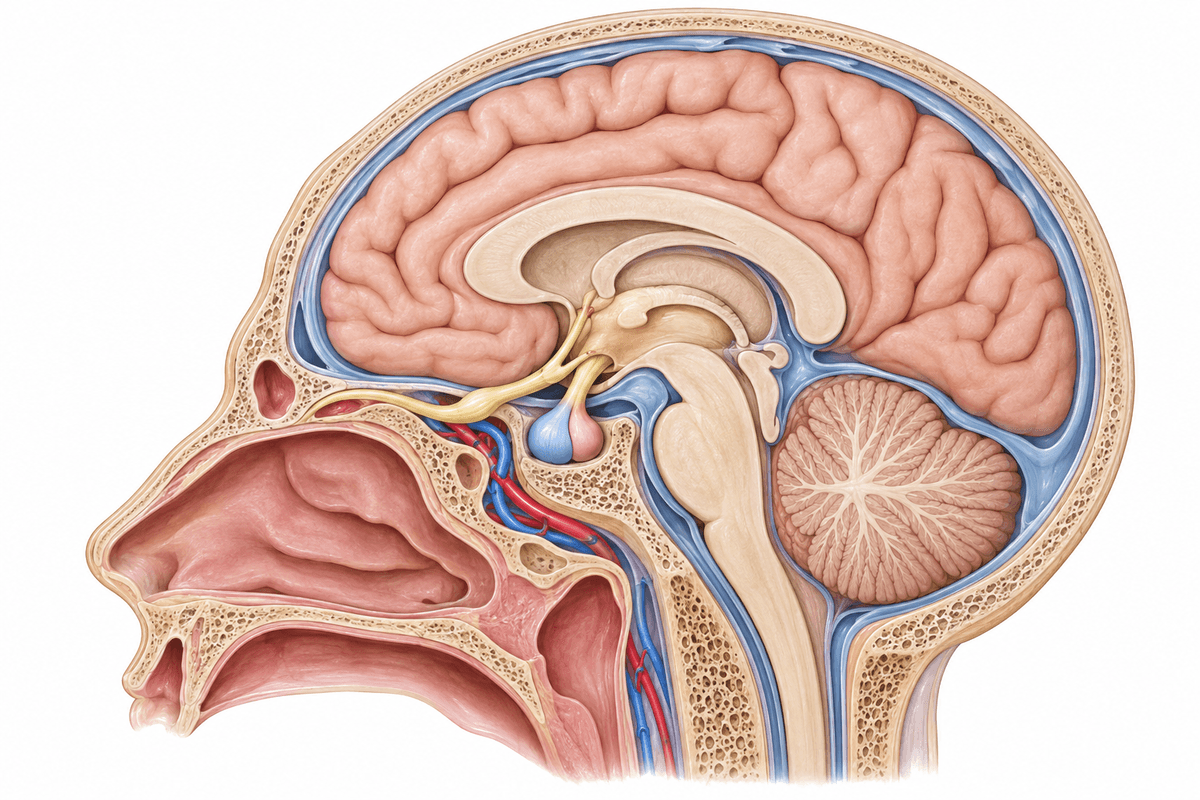
Pituitary disorders in Tirupati encompass a range of conditions affecting the pituitary gland, the master endocrine gland that regulates hormone production throughout the body. These disorders can result from tumors, genetic factors, infections, or structural abnormalities, leading to either excessive or deficient hormone production. The pituitary gland controls vital functions including growth, metabolism, reproduction, and stress response. Early diagnosis and specialized management are essential for optimal outcomes. Dr. Kavya Jonnalagadda, an experienced endocrinologist at Sree Charith Hospital, provides comprehensive evaluation and personalized treatment for patients with pituitary disorders.
Benign tumors of the pituitary gland that may be functional (hormone-secreting) or non-functional. Functional adenomas include prolactinomas, growth hormone-secreting tumors, and ACTH-secreting tumors that cause specific hormonal syndromes.
Deficiency of one or more pituitary hormones due to damage to the gland from tumors, surgery, radiation, trauma, or autoimmune conditions. Results in insufficient production of essential hormones affecting multiple body systems.
Overproduction of pituitary hormones, most commonly caused by adenomas. Leads to conditions like acromegaly (excess growth hormone), Cushing's disease (excess ACTH), or hyperprolactinemia affecting growth, metabolism, and reproductive function.
Multiple factors can contribute to the development and progression of this condition.
Pituitary disorders develops gradually. Recognising symptoms early gives you more treatment options.
From conservative to surgical — we always start with the least invasive option first.
A structured, patient-first approach from first visit to full recovery.
Dr. Kavya Jonnalagadda conducts detailed hormone testing including basal and dynamic function tests to assess all pituitary axes. Advanced imaging with dedicated pituitary MRI protocols identifies structural abnormalities and tumor characteristics for precise diagnosis.
Sree Charith Hospital coordinates care between endocrinology, neurosurgery, ophthalmology, and radiology specialists. Treatment plans are personalized based on tumor type, size, hormone levels, visual symptoms, and patient preferences to optimize outcomes.
The hospital provides access to latest medical therapies including dopamine agonists, somatostatin analogs, and hormone replacement regimens. Collaboration with experienced neurosurgeons ensures availability of minimally invasive transsphenoidal surgery when indicated.
Regular follow-up appointments include hormone level monitoring, repeat imaging studies, and visual field testing as needed. Dr. Jonnalagadda adjusts treatment plans based on response and provides ongoing management of any residual hormonal deficiencies or excesses.
What to expect at each phase of recovery.
Following medication initiation or surgery, patients undergo close monitoring of hormone levels, electrolytes, and fluid balance. Surgical patients typically remain hospitalized for 2-4 days with careful assessment for diabetes insipidus or other hormonal complications.
Over 2-3 months, hormone replacement medications are fine-tuned based on symptoms and laboratory results. Patients learn to recognize signs of hormone deficiency or excess and when to seek medical attention. Energy levels and other symptoms gradually improve.
Ongoing management includes periodic hormone testing, annual MRI scans to monitor for tumor recurrence, and medication adjustments as needed. Most patients achieve stable hormone levels and return to normal activities with continued endocrine care.
Most patients achieve balanced hormone production through appropriate medical or surgical treatment, with restoration of normal metabolic, reproductive, and growth functions. Quality of life significantly improves with proper hormone replacement.
Surgical removal or medical shrinkage of pituitary tumors prevents progression and often reverses visual field defects. Over 90% of patients with appropriate treatment maintain or regain normal vision when treated promptly.
Early diagnosis and treatment prevent serious complications including cardiovascular disease, osteoporosis, diabetes, and reproductive dysfunction. Patients on proper hormone replacement have life expectancy approaching that of the general population.
Effective management of pituitary disorders restores energy, mood, cognitive function, and physical capabilities. Patients report substantial improvements in quality of life, work productivity, and ability to participate in daily activities.
Untreated pituitary disorders can lead to severe and life-threatening complications including cardiovascular disease, severe hormone imbalances, permanent vision loss, and metabolic crises. Tumors may continue growing, causing irreversible damage to the optic nerves and surrounding brain structures. Chronic hormone deficiencies increase risks of osteoporosis, infertility, and premature mortality.
Seek evaluation by an endocrinologist if you experience persistent headaches with vision changes, unexplained weight changes, irregular menstrual periods, sexual dysfunction, excessive fatigue, or abnormal growth patterns. Immediate medical attention is required for sudden severe headache, vision loss, confusion, or signs of acute hormonal crisis such as severe weakness, vomiting, or altered consciousness.
Early treatment means more options and better outcomes. Book a consultation to understand your condition and explore the right path forward.