Treated by Dr. Kavya Jonnalagadda at Sree Charith Hospital
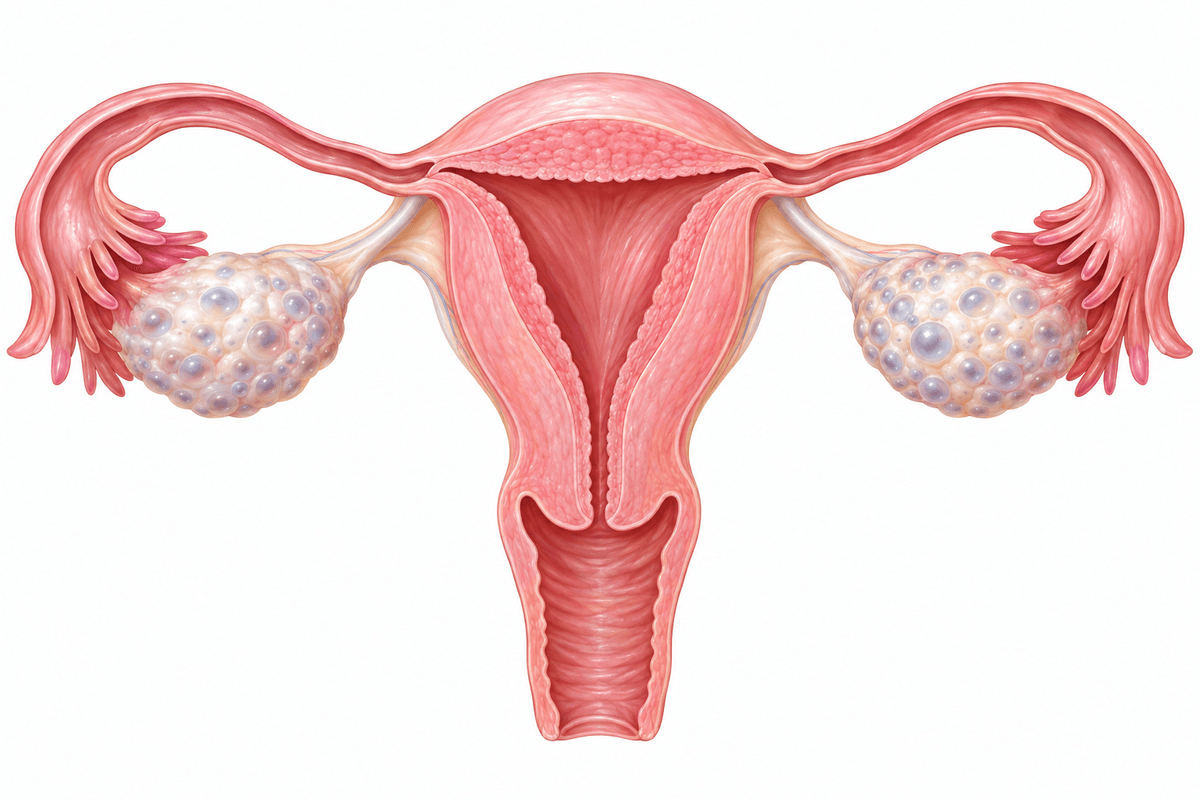
Polycystic Ovary Syndrome (PCOS) is a common hormonal disorder affecting women of reproductive age in Tirupati and worldwide. This condition involves irregular menstrual cycles, elevated androgen levels, and polycystic ovaries, leading to various metabolic and reproductive challenges. Women experiencing symptoms such as irregular periods, excessive hair growth, or difficulty conceiving can receive comprehensive endocrine care from Dr. Kavya Jonnalagadda at Sree Charith Hospital.
The most common type where high insulin levels trigger excess androgen production, causing ovulation problems and metabolic issues including weight gain and increased diabetes risk.
Characterized by chronic low-grade inflammation that stimulates polycystic ovaries to produce androgens, often associated with stress, environmental toxins, and inflammatory diet patterns.
Develops after discontinuing hormonal birth control pills, with symptoms emerging due to temporary suppression of ovulation and hormone regulation during contraceptive use.
Multiple factors can contribute to the development and progression of this condition.
PCOS develops gradually. Recognising symptoms early gives you more treatment options.
From conservative to surgical — we always start with the least invasive option first.
A structured, patient-first approach from first visit to full recovery.
Dr. Kavya Jonnalagadda conducts thorough hormonal assessments including LH, FSH, testosterone, and insulin levels, along with pelvic ultrasound to confirm polycystic ovarian morphology and rule out other endocrine disorders at Sree Charith Hospital.
Our endocrinology team develops individualized management protocols based on patient goals, whether focused on metabolic health, symptom control, or fertility, incorporating lifestyle interventions and appropriate medical therapies tailored to each woman's specific PCOS phenotype.
Sree Charith Hospital provides integrated care involving endocrinology, gynecology, nutrition counseling, and mental health support to address the complex physical, metabolic, and emotional aspects of PCOS management comprehensively.
Regular follow-up appointments track treatment response, monitor metabolic parameters including glucose tolerance and lipid profiles, adjust medications as needed, and provide ongoing education to prevent long-term complications like diabetes and cardiovascular disease.
What to expect at each phase of recovery.
Patients begin lifestyle modifications and initial medications, with gradual improvements in energy levels, mild reduction in hirsutism, and potential restoration of menstrual regularity as insulin sensitivity improves.
Noticeable reduction in acne and excessive hair growth, more consistent menstrual cycles, weight loss progress, and improved metabolic markers including fasting glucose and cholesterol levels with continued adherence to treatment protocols.
Sustained hormonal balance with regular ovulation, stabilized weight, minimized androgen symptoms, and reduced long-term health risks through ongoing lifestyle management, medication adjustments, and regular endocrine monitoring.
Most patients achieve regular menstrual cycles within 3-6 months of treatment, with improved ovulation patterns and normalized endometrial health, reducing risks of endometrial hyperplasia and cancer.
With appropriate management including ovulation induction when needed, 70-80% of women with PCOS seeking pregnancy can successfully conceive, with reduced miscarriage rates and improved pregnancy outcomes.
Significant improvements in insulin sensitivity, reduced progression to type 2 diabetes, better lipid profiles, and decreased cardiovascular disease risk through comprehensive metabolic management and lifestyle interventions.
Reduction in distressing symptoms including hirsutism, acne, and weight gain, along with improved emotional well-being, self-esteem, and reduced anxiety and depression associated with PCOS.
Untreated PCOS significantly increases the risk of developing type 2 diabetes, with up to 50% of women progressing to diabetes by age 40. Long-term complications include endometrial cancer due to unopposed estrogen, cardiovascular disease, metabolic syndrome, and non-alcoholic fatty liver disease. Women may also experience persistent infertility, recurrent pregnancy loss, and ongoing psychological distress from unmanaged symptoms.
Consult Dr. Kavya Jonnalagadda at Sree Charith Hospital if you experience irregular periods occurring less than eight times per year, excessive facial or body hair growth, severe acne unresponsive to treatment, or difficulty conceiving after 6-12 months of trying. Early evaluation is crucial if you notice rapid weight gain, dark skin patches in body folds, or if you have a family history of PCOS or diabetes and are experiencing menstrual irregularities.
Early treatment means more options and better outcomes. Book a consultation to understand your condition and explore the right path forward.