Treated by Dr. Kavya Jonnalagadda at Sree Charith Hospital
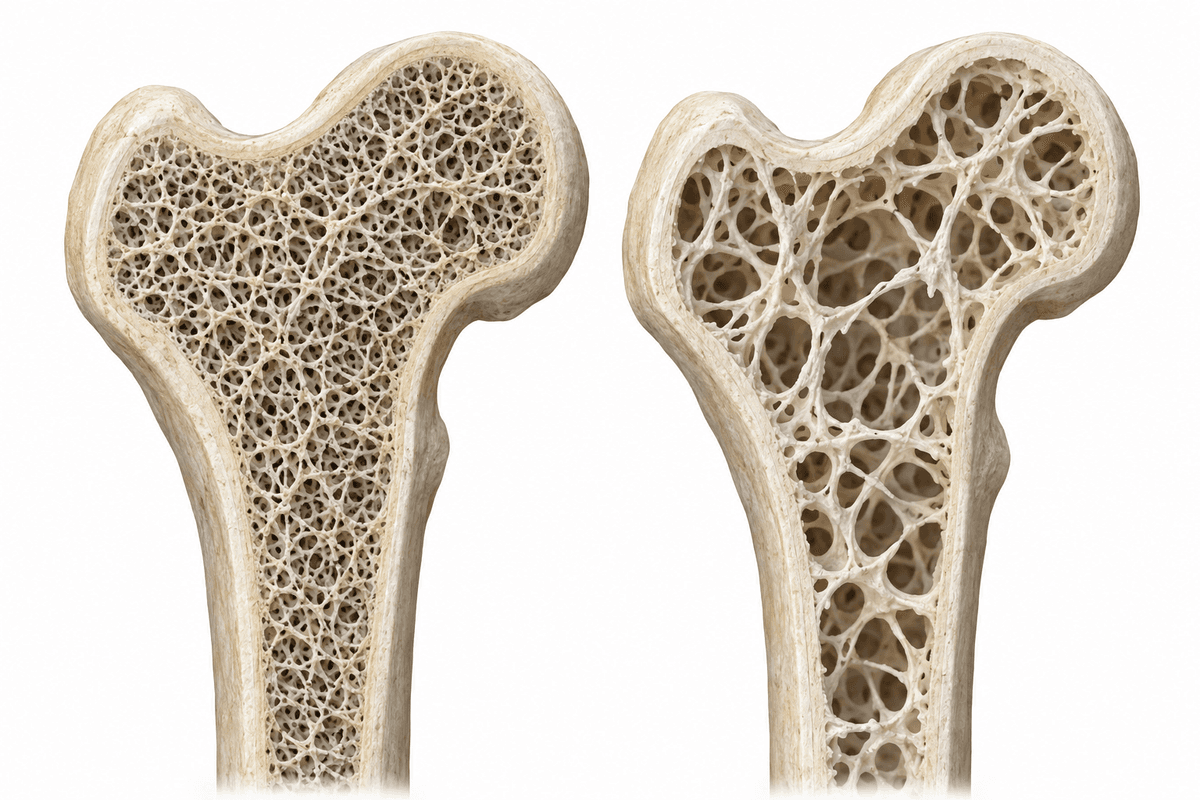
Osteoporosis in Tirupati is a progressive bone disease that weakens skeletal structure, increasing fracture risk, particularly in postmenopausal women and older adults. This metabolic bone disorder reduces bone mineral density and disrupts bone microarchitecture, making bones fragile and prone to breaking from minor falls or stress. Dr. Kavya Jonnalagadda, an experienced endocrinologist at Sree Charith Hospital, provides comprehensive diagnosis and evidence-based treatment for osteoporosis patients.
Age-related bone loss occurring naturally, most commonly in postmenopausal women due to estrogen deficiency and in elderly men due to declining testosterone levels and reduced bone formation.
Bone loss resulting from underlying medical conditions such as hyperthyroidism, hyperparathyroidism, chronic kidney disease, malabsorption disorders, or prolonged use of corticosteroid medications and certain other drugs.
Unexplained bone loss occurring in younger adults, premenopausal women, and men under 50 without identifiable secondary causes, requiring comprehensive metabolic evaluation to rule out underlying disorders.
Multiple factors can contribute to the development and progression of this condition.
Osteoporosis develops gradually. Recognising symptoms early gives you more treatment options.
From conservative to surgical — we always start with the least invasive option first.
A structured, patient-first approach from first visit to full recovery.
Dr. Kavya Jonnalagadda conducts detailed history taking including risk factor evaluation, fracture history, medication review, and family history. DEXA bone density scanning is performed to measure bone mineral density at spine and hip, with T-score interpretation. Complete hormonal and metabolic blood workup includes calcium, phosphate, vitamin D, thyroid function, parathyroid hormone, and bone turnover markers.
Based on DEXA results, fracture risk assessment using FRAX score, and individual patient factors, our endocrinology team develops a customized treatment strategy. This includes selecting appropriate pharmacological therapy, nutritional supplementation, lifestyle modifications, and fall prevention strategies. Treatment goals are clearly discussed with patients and families.
Sree Charith Hospital provides careful medication counseling, including proper administration techniques, timing, and potential side effects. For injectable therapies, our nursing staff offers training and support. Regular follow-up visits every 3-6 months monitor treatment adherence, side effects, and clinical response. Blood tests and repeat DEXA scans track therapeutic effectiveness.
Our comprehensive approach includes physiotherapy referrals for balance and strength training, dietary counseling for optimal calcium and protein intake, and coordination with orthopedic specialists if fractures occur. We emphasize fall prevention strategies, home safety modifications, and patient education on maintaining bone health through exercise and lifestyle choices.
What to expect at each phase of recovery.
Patients begin prescribed medications with close monitoring for side effects and tolerance. Calcium and vitamin D levels are optimized through supplementation. Initial lifestyle modifications are implemented including weight-bearing exercises, smoking cessation, and alcohol moderation. Patients typically report improved confidence in bone health management and better understanding of their condition.
Treatment response is evaluated through bone turnover markers and clinical assessment. Patients establish consistent medication adherence and lifestyle habits. Exercise capacity and balance typically improve with physiotherapy. First follow-up DEXA scan at 12-24 months may show stabilization or improvement in bone density, confirming treatment effectiveness.
Ongoing medication continues with periodic assessment of need for drug holidays or therapy changes. Annual or biennial DEXA scans monitor bone density trends. Patients maintain healthy lifestyle habits and remain fracture-free. Regular endocrinology follow-up ensures optimal bone health, with adjustments made based on age, new risk factors, or changing health status.
Most patients experience stabilization or improvement in DEXA scan T-scores within 1-2 years of treatment, with bisphosphonates increasing spine density by 5-8% and hip density by 2-5%. Anabolic therapies show even greater gains.
Evidence-based osteoporosis treatment reduces vertebral fracture risk by 40-70%, hip fracture risk by 40-50%, and non-vertebral fracture risk by 20-35%. This dramatically improves quality of life and maintains independence.
Patients report reduced anxiety about fractures, improved physical function, better posture and mobility, and increased confidence in daily activities. Pain from existing compression fractures often decreases with appropriate management.
Early diagnosis and treatment prevent the devastating consequences of osteoporotic fractures including hospitalization, loss of independence, chronic pain, and increased mortality risk associated with hip fractures in elderly patients.
Untreated osteoporosis leads to progressive bone loss and dramatically increased fracture risk, with hip fractures causing 20% mortality within one year and permanent disability in 50% of survivors. Vertebral compression fractures result in chronic pain, height loss, kyphosis, and reduced lung capacity. The cumulative burden of multiple fractures severely impacts quality of life, independence, and can lead to institutionalization in elderly patients.
Consult Dr. Kavya Jonnalagadda at Sree Charith Hospital if you are a postmenopausal woman, have family history of osteoporosis, experienced a fracture from minor trauma, have been on long-term steroid therapy, or have conditions affecting bone health like hyperthyroidism or malabsorption. Men over 70 and anyone with documented height loss exceeding 1.5 inches should undergo bone density screening. Early evaluation allows timely intervention before fractures occur.
Early treatment means more options and better outcomes. Book a consultation to understand your condition and explore the right path forward.